
Clarity as a Design Decision
Great design is not about speed or flexibility. It is about sequencing decisions correctly. Structure is what makes that possible. Clarity is not accidental in my work — it is intentional. I treat it as a design decision in itself. In environments where expectations are high and time is a disciplined resource, structure becomes essential. This way of working shapes how decisions are made, how projects move forward, and why establishing clarity early is fundamental to protecting both the design and the client’s time.
3/1/20261 min read
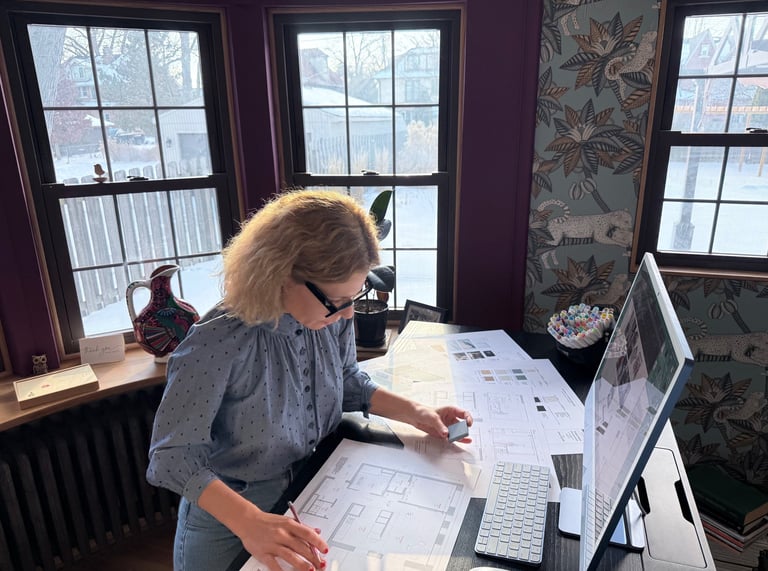
I establish the design direction early and sequence decisions with intention. Rather than expanding options endlessly, I filter them with discipline. Material selections are guided by performance and longevity, and each decision builds upon what has already been resolved. Without this structure, even strong concepts can lose momentum — decisions are revisited, priorities shift, and progress slows in subtle but costly ways. Structure allows us to anticipate what comes next. When the framework is clear, the path forward becomes predictable — and that predictability fosters a quiet sense of calm, assurance, and trust in the process.
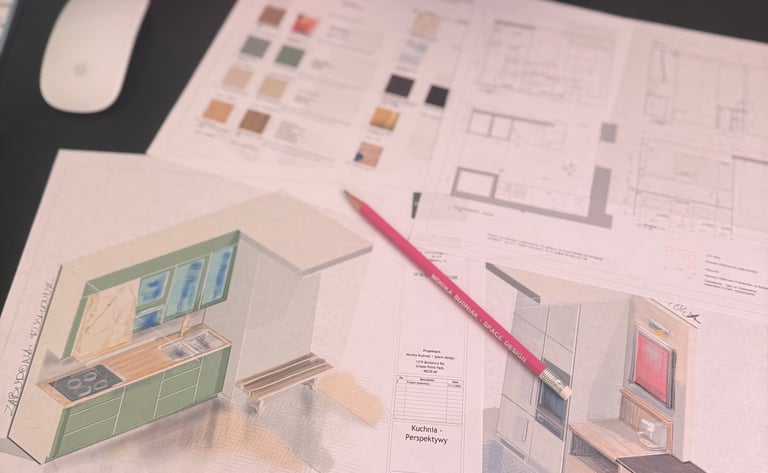
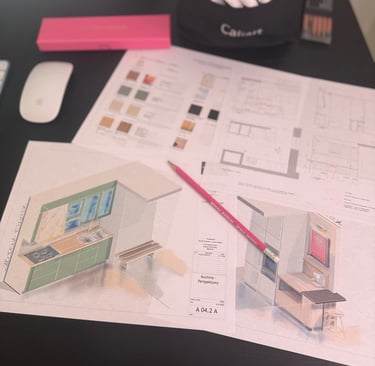
For those who operate in environments where time is carefully allocated and decisions carry weight, this clarity is not a luxury — it is alignment. The project advances with intention, responsibilities remain transparent, and involvement stays focused rather than consuming. This allows the design process to feel steady and controlled, ensuring that the work progresses with the same precision and discipline that defines their own professional standards.
And when clarity is established early and protected throughout, the entire project moves with purpose rather than persuasion.